The most useful plant-protection technology often acts before a pest outbreak becomes obvious.
Cameras can reveal changes in a crop canopy, environmental sensors can identify conditions favorable to disease, and automated machines can remove selected weeds. These tools become genuinely valuable only when the information leads to a suitable physical, cultural, mechanical, or biological response.
Technology can improve timing and precision. It cannot guarantee that every insect, disease, or weed can be controlled without conventional pesticides in every crop and climate.
What “without chemicals” means in this guide: methods designed to avoid or reduce routine applications of conventional synthetic pesticides by using prevention, exclusion, monitoring, biological control, physical treatment, sanitation, resistant plants, and mechanical removal.
The phrase should not be interpreted literally. Water, plant nutrients, natural compounds, cleaning materials, and biological products are also made of chemicals. The meaningful distinction is how a pest is managed and what risks the method introduces.
Precision spraying is not chemical-free control. Camera-guided sprayers can identify weeds and apply herbicide only to selected targets. This may reduce the total amount applied, but the method still relies on herbicide and belongs in a different category.
Think in Layers, Not in Gadgets
A strong protection plan does not begin with a robot or an artificial-intelligence dashboard. It begins by making the crop less vulnerable and by deciding what level of pest activity requires action.
Use healthy planting material, resistant varieties, suitable spacing, crop rotation, clean tools, managed weeds, balanced irrigation, and appropriate airflow.
Prevent pests from reaching plants through screens, row covers, protected entrances, clean transplant procedures, and controlled movement of people and equipment.
Combine direct inspection with traps, cameras, weather data, leaf-wetness sensors, imaging, and records of where symptoms first appear.
Use pruning, removal, cultivation, heat, controlled UV treatment, trapping, beneficial organisms, sanitation, or another crop-specific response.
Return to the affected area, count pests again, inspect new growth, compare untreated zones, and confirm whether the intervention changed the problem.
This layered approach follows the logic of integrated pest management: prevent avoidable problems, monitor carefully, act when necessary, and evaluate the result instead of depending on one control method.
Digital Scouting Can Find Problems Earlier
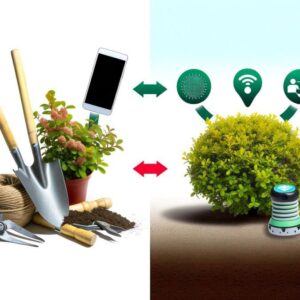
Digital scouting systems use cameras, environmental sensors, traps, mobile devices, or remote imagery to collect information about crop conditions. Their greatest strength is consistency: the same location can be checked repeatedly, creating a record of change over time.
Camera Traps
Images of sticky cards or lure traps can help track changes in flying insect activity. Automated counting may save time, but insect identification should still be checked manually.
Best for monitoringCanopy Imaging
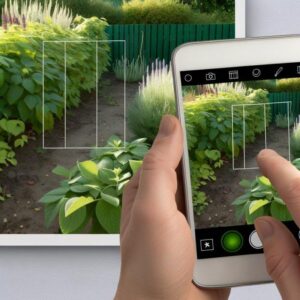
Fixed cameras, handheld devices, drones, and vehicle-mounted cameras can reveal uneven growth, discoloration, missing plants, weed patches, or areas requiring closer inspection.
Best for locating anomaliesEnvironmental Sensors
Temperature, humidity, leaf wetness, soil moisture, and airflow information can reveal conditions associated with plant stress or increased disease risk.
Best for risk warningsDecision-Support Software
Software can combine scouting records and environmental data to flag trends, organize zones, and remind a grower to inspect a specific area.
Best for organizing actionDetection Is Not Diagnosis
A camera may recognize a color change without knowing whether it was caused by disease, nutrient deficiency, heat, water stress, herbicide drift, root damage, or normal plant aging.
Use digital alerts to direct a closer inspection. Confirm the problem through plant examination, pest identification, suitable testing, or advice from a qualified diagnostic service before selecting a response.
Turn Signals Into Specific Actions
Collecting more information does not protect a plant unless the information changes what happens next. Each alert should be connected to a practical inspection or response.
Robotic and Mechanical Weed Control
Machine vision can help equipment distinguish crop rows from weeds. The machine may then remove unwanted plants with blades, cultivators, rotating tools, heat, electricity, abrasion, or directed energy.
These methods are most effective when weeds are identified accurately and treated at a suitable stage. Small weeds are generally easier to remove than established plants with large roots or underground storage structures.
- Camera-based guidance can improve the placement of mechanical tools between or within crop rows.
- Robotic platforms can repeat scouting and removal passes without treating the entire field uniformly.
- Weed maps can help operators focus labor or equipment where pressure is highest.
- Physical methods can be useful in organic and specialty-crop systems where herbicide options are limited.
- Combining cultural and mechanical methods usually provides more durable control than relying on one machine.
Robots do not eliminate every tradeoff. Cultivation can disturb soil and crop roots. Heat and directed energy can damage nearby plants or create fire and safety concerns. Camera performance may decline when crops and weeds overlap, leaves are wet, light changes rapidly, or the field contains unfamiliar species.
Laser Weeding Is Promising but Highly Specialized
Laser-weeding systems use cameras and software to locate a weed’s growing point and direct concentrated energy toward that small target. The goal is to stop or severely damage the weed without spraying herbicide across the crop.
This method can reduce soil disturbance compared with some cultivation tools. Its performance still depends on accurate identification, correct aim, weed size, operating speed, weather, field conditions, equipment cost, and strict laser safety controls.
Laser equipment is not a home-garden shortcut. High-powered agricultural lasers require engineered shielding, controlled operating zones, trained operators, safety systems, and compliance with applicable rules. Improvised laser weed control can injure eyes, skin, animals, workers, and nearby people.
UV-C Treatment Requires Controlled Protocols
Research has examined carefully measured UV-C exposure as a physical method for suppressing certain plant pathogens or stimulating plant defense responses. Results are highly dependent on crop species, pathogen, wavelength, dose, distance, timing, plant growth stage, and environmental conditions.
Too little exposure may provide no useful effect. Excessive exposure can injure leaves, reduce growth, damage plant tissue, and expose workers to hazardous radiation.
- UV-C can injure people. Direct exposure can cause skin burns and painful eye injuries.
- Plant tolerance varies. A protocol suitable for one crop or disease cannot be transferred safely to another without evidence.
- Shadows reduce treatment coverage. Overlapping leaves and dense canopies may protect pathogens from direct radiation.
- Equipment design matters. Interlocks, shielding, controlled access, exposure monitoring, and emergency stops are essential.
- Consumer UV wands are not crop-treatment tools. Handheld products may provide uneven exposure and can create serious safety risks.
UV-C should therefore be treated as a specialized production technology, not a general recommendation for homeowners. Professional systems should operate under validated crop protocols and prevent human or animal exposure.
Exclusion Can Prevent a Problem Before Detection Is Needed
Insect screens, floating row covers, protected entrances, clean propagation material, and controlled movement can prevent pests from reaching plants. These approaches are often less dramatic than robotics, but they can be extremely effective when installed before the pest arrives.
- Choose mesh that is small enough for the target pest but still permits necessary ventilation.
- Seal edges and entrances because a small opening can undermine the entire barrier.
- Remove or manage covers when pollinating insects must reach flowers.
- Rotate crops where soil-emerging pests might already be trapped beneath a cover.
- Inspect transplants before moving them into a protected greenhouse or tunnel.
- Keep weeds around entrances and structures from becoming alternative pest hosts.
Fine screening can restrict airflow and increase temperature or humidity inside protected structures. Environmental monitoring can help reveal whether exclusion is creating conditions favorable to disease or heat stress.
Smart Traps Are Mainly Monitoring Tools
Sticky cards, pheromone traps, light traps, and camera-assisted traps can reveal when selected insects are active. Automated imaging can organize large numbers of trap photographs and highlight changes that deserve attention.
A trap count should not be interpreted in isolation. Different insect species respond to different colors, lures, heights, and trap designs. Some pests are poorly represented because they do not fly readily or are detected only after a population is already established.
Pair Traps With Direct Plant Inspection
Look beneath leaves, inside flowers, around growing points, near stems, and along crop edges. Record both pest and beneficial-organism activity.
Sticky cards are commonly used to detect and track flying insects. They should not be assumed to control an established infestation unless a reliable crop-specific recommendation says otherwise.
Biological Control Works Best as a Planned System
Biological control uses natural enemies such as predators, parasitoids, nematodes, or microorganisms to suppress a target pest. Greenhouse programs may use beneficial organisms preventively or introduce them while pest populations remain low.
Success depends on correct identification of both the pest and the biological control agent. The beneficial organism must be released at a suitable time, in suitable environmental conditions, and in enough locations to reach the target.
Do not purchase a predator or parasitoid based only on general leaf damage or an application-generated identification.
Use plant inspections and appropriate traps to understand whether the pest is absent, newly detected, localized, or widespread.
Temperature, humidity, crop structure, light, and previous treatments can affect survival and performance.
Follow supplier and extension guidance for the target pest, crop, distribution method, and release timing.
Record whether the beneficial organisms establish and whether pest numbers or new damage decline.
Biological control is not the same as releasing any insect that appears beneficial. Organisms should come from a reputable source and be legal and appropriate for the region and production system.
Sanitation Is a Technology-Enabling Practice
Cameras and sensors cannot compensate for infected debris, contaminated tools, leaking irrigation, neglected weeds, or infested plants moving through a production area.
A traceable sanitation program can be supported by digital checklists, equipment logs, mapped work routes, and batch records. The technology helps confirm that important tasks occurred; the physical cleaning and removal still do the protective work.
- Remove severely affected plant material using a method appropriate for the identified problem.
- Keep pruning and harvesting tools clean according to crop-specific sanitation guidance.
- Prevent plant debris from accumulating beneath benches or inside irrigation channels.
- Inspect carts, trays, containers, footwear, and reusable equipment before moving between areas.
- Separate incoming plants until they have been checked for pests and symptoms.
- Record where affected material originated so related plants can be inspected.
Which Technologies Fit Each Setting?
Keep Technology Simple
Useful options include weather records, moisture monitoring, plant-identification support, row covers, direct inspection, sanitation reminders, and simple traps used correctly.
Connect Climate and Scouting
Environmental sensors, sticky-card imaging, exclusion screens, climate controls, sanitation records, and planned biological control can work together effectively.
Focus on Mapping and Precision
Drone imagery, vehicle cameras, weed maps, robotic cultivation, mechanical removal, resistant varieties, and forecasting tools may help manage large areas.
Practical Comparison of Major Methods
| Method | Main Purpose | Strength | Important Limitation |
|---|---|---|---|
| Camera and sensor monitoring | Find changes and direct inspections | Creates repeatable records across time and space | An alert does not confirm the cause of plant stress |
| Exclusion screening or covers | Prevent pest entry | Can stop damage before an infestation begins | May restrict pollination, airflow, and access |
| Biological control | Suppress selected pests using natural enemies | Can provide ongoing control in suitable protected systems | Requires correct pest identification, timing, and environmental conditions |
| Mechanical or robotic weeding | Remove unwanted plants physically | Can reduce dependence on broad herbicide applications | May disturb soil or damage crops when identification and alignment are poor |
| Laser or directed-energy weeding | Damage individual weed growing points | Offers highly localized treatment with limited soil contact | Requires specialized equipment, accurate targeting, and strict safety controls |
| Controlled UV-C treatment | Suppress selected pathogens under validated protocols | Provides a physical treatment option in specialized systems | Can harm plants, eyes, and skin when dose or shielding is inadequate |
| Sanitation and traceability | Reduce movement and survival of pests and pathogens | Affordable and useful across nearly every scale | Depends on consistent human execution |
Common Reasons Advanced Systems Fail
- The system monitors the wrong variable. Measuring air temperature will not directly confirm root disease, insect pressure, or leaf wetness.
- The diagnosis is assumed rather than verified. Similar symptoms can have unrelated biological and environmental causes.
- Too many technologies are introduced together. The grower can no longer determine which change improved or worsened the result.
- Sensors are never checked. Dirty, damaged, misplaced, disconnected, or drifting sensors can automate poor decisions.
- Training data do not match the crop. Image models may perform poorly with unfamiliar varieties, growth stages, lighting, or pest species.
- The underlying growing conditions remain unsuitable. Poor airflow, chronic overwatering, compacted soil, or unhealthy planting material continues creating problems.
- The system has no failure plan. Operations stop when a subscription, network connection, replacement part, or specialist becomes unavailable.
- Success is measured only by visible damage. Pest counts, new growth, crop quality, labor, cost, beneficial organisms, and recurrence also matter.
A Safer Adoption Process
Choose a specific target such as early whitefly detection, weed removal between rows, or reducing overnight leaf wetness.
Record current pest pressure, damage, labor, weather, crop stage, and existing control results before adding technology.
Use a representative section where performance can be compared with the existing practice.
Compare camera classifications, trap counts, and sensor data with direct inspection before allowing automatic responses.
Specify who checks the crop, what confirms the problem, and which response is permitted.
Check plant injury, non-target organisms, airflow, labor, cost, equipment reliability, and whether the pest returned.
Frequently Asked Questions
Can artificial intelligence identify every plant disease?
No. Image-based tools can suggest possibilities or flag unusual patterns, but many diseases, nutrient problems, environmental injuries, and root disorders produce similar visible symptoms. Reliable diagnosis may require direct inspection or laboratory testing.
Are drones a pest-control method?
Drones are mainly sensing, mapping, or application platforms. A camera-equipped drone can locate suspicious areas, but detection alone does not control a pest. The response depends on what the inspection confirms.
Do sticky traps eliminate greenhouse pests?
They are primarily monitoring tools for many greenhouse pests. They can help reveal pest presence and trends, but direct plant inspection and an appropriate management plan are still necessary.
Can beneficial insects replace every pesticide?
No. Biological control can be highly useful for suitable pests and production systems, especially when populations are detected early. Results depend on correct identification, timing, environmental conditions, crop practices, and compatibility with previous treatments.
Is UV-C safe to use around plants at home?
UV-C can injure eyes and skin and can damage plants when incorrectly applied. Consumer handheld wands should not be treated as safe crop-protection devices. Specialized systems require shielding, controlled access, validated exposure, and professional safety procedures.
Is camera-guided spot spraying chemical-free?
No. When a machine identifies a weed and sprays herbicide only on that plant, it is performing more targeted chemical control. It may reduce herbicide use, but it is not a non-chemical treatment.
What is the best technology for a small garden?
Begin with direct plant inspection, reliable identification, clean tools, suitable irrigation, resistant varieties, barriers, and simple monitoring. Add sensors or applications only when they solve a clear problem that cannot be handled easily through basic care.
The future of lower-pesticide plant protection is not one machine replacing every treatment.
It is a coordinated system in which healthy growing conditions reduce risk, barriers prevent entry, monitoring finds changes early, and targeted biological or physical methods respond to a confirmed problem.
Cameras, sensors, robots, and forecasting software can improve speed and precision. Their value depends on accurate diagnosis, safe operation, crop-specific evidence, skilled observation, and a practical response plan.
The strongest technology is often the one that helps a grower act earlier and more carefully—not the one that adds the most automation.
Sources and Further Reading
- USDA: Integrated Pest Management Road Map
- Penn State Extension: Planning for Biological Control in Greenhouses
- Penn State Extension: Using Biocontrol Agents Proactively
- USDA National Agricultural Library: Laser-Based Autonomous Weed Management
- University of Minnesota Extension: Physical and Cultural Insect Management
- U.S. FDA: Ultraviolet Radiation Safety
- John Deere: Camera-Guided Targeted Herbicide Application

The BotaniQ Editorial Team writes and maintains practical guides about indoor gardening, smart irrigation, plant care, garden automation, and growing technology. Where relevant, articles reference official documentation, university extension resources, and other reputable sources. Content is updated when material information changes.