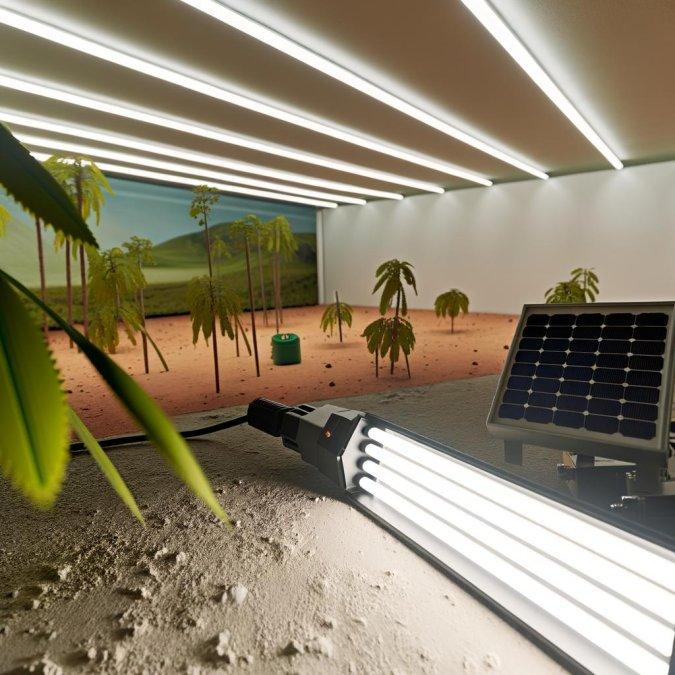
Solar-powered garden gadgets can run small outdoor tasks without a nearby electrical outlet. Path lights, irrigation controllers, pumps, sensors, and monitoring devices can all use photovoltaic cells to convert sunlight into electricity.
That does not automatically make every solar gadget sustainable. The real environmental value depends on whether the device performs a useful job, lasts for several seasons, has an appropriate battery, and reduces more waste than it creates.
The practical takeaway: solar technology works best in a garden when it powers a clear, low-energy task in a location with dependable sunlight. A durable device that supports efficient watering or safe access may provide real value. A decorative gadget with a sealed battery and a short life may become electronic waste before it delivers a meaningful benefit.
What Makes a Solar Garden Device Useful?
A small photovoltaic panel produces direct-current electricity when sunlight reaches its cells. Depending on the product, that electricity may power the device immediately, charge an internal battery, or do both.
The system usually contains more than the visible panel. It may also include a rechargeable battery, charge controller, wiring, sensor, pump, light, or electronic control board. Each component affects reliability.
A useful solar gardening device should meet three basic conditions:
- It solves a real gardening, watering, safety, or monitoring problem.
- Its energy demand matches the panel and battery capacity.
- Its expected service life justifies the materials used to manufacture it.
Solar power is particularly practical where installing electrical wiring would be expensive, disruptive, or unsafe. It can also reduce dependence on disposable batteries and long outdoor extension cords.
Solar Gadgets That Can Provide Real Garden Value
Solar Irrigation Pumps
A properly sized solar pump can move water from a rain barrel, storage tank, or other suitable source into a drip-irrigation system. Some pumps operate only in sunlight, while others use a battery for scheduled watering.
Irrigation Timers and Sensors
Low-power controllers can automate valves or prevent watering when the soil is already moist. The water savings come from better scheduling and moisture control, not simply from the solar panel.
Path and Task Lighting
Solar lights can illuminate steps, paths, hose connections, gates, and compost areas without underground wiring. They are most useful when directed only where light is needed.
Pond Pumps and Aerators
Solar pumps can circulate or aerate small water features. Continuous operation may require battery storage or another backup because direct-solar models usually slow or stop when sunlight decreases.
Weather and Soil Sensors
Solar-assisted sensors can collect information about soil moisture, rainfall, temperature, or other conditions in areas where mains electricity is unavailable.
Motion Sensors and Cameras
Solar charging can support low-power cameras and motion sensors around sheds, gates, and remote garden areas, provided the location receives enough sunlight throughout the year.
Solar Power and Water Conservation Are Not the Same Thing
A solar-powered irrigation system may reduce electricity use, but it will not necessarily reduce water use. A pump that runs too long can waste water regardless of its energy source.
Water efficiency depends on how water is applied, when irrigation occurs, the condition of the soil, the needs of the plants, and whether rainfall or existing moisture is considered.
Where Smart Control Makes a Difference
Soil-moisture-based controllers can prevent a scheduled irrigation cycle when the soil already contains sufficient moisture. Weather-based controllers adjust watering according to local conditions. In the United States, the EPA WaterSense program evaluates qualifying irrigation controllers against water-efficiency and performance requirements.
For many gardens, drip irrigation or a soaker hose is more efficient than spraying a large area. Delivering water slowly near the root zone can reduce runoff and unnecessary wetting of paths and foliage.
Early morning is generally a practical watering period because temperatures and wind are often lower, and any wet foliage has time to dry. However, a wilting plant under serious drought stress should not be left without water simply to wait for the ideal hour.
Comparing Common Solar Garden Devices
| Device | Best Use | Main Limitation | What to Check Before Buying |
|---|---|---|---|
| Solar path light | Occasional nighttime guidance and visibility | Short runtime in shade or winter | Replaceable battery, downward light direction, panel placement, and available spare parts |
| Solar irrigation pump | Moving water from a tank to a small drip system | Flow may change with sunlight unless battery-backed | Required pressure, flow rate, lift height, filter access, dry-run protection, and battery capacity |
| Solar pond pump | Small fountains, circulation, or daytime aeration | Direct-solar models may stop under clouds or at night | Pump head, flow rate, cable length, cleaning access, and whether continuous operation is necessary |
| Solar soil sensor | Monitoring remote beds or supporting irrigation decisions | A poor sensor position can produce misleading readings | Measurement depth, connectivity, calibration options, battery serviceability, and data access |
| Solar camera | Monitoring a shed, gate, or remote garden area | Video transmission can use considerable power | Daily sunlight, network signal, battery size, recording method, privacy settings, and subscription costs |
How to Decide Whether a Solar Gadget Fits Your Garden
- Define the task first. Decide what the device must accomplish. “Improve watering reliability” is a useful objective. “Add more technology” is not.
- Observe sunlight across the day. Check the proposed panel location during the morning, around midday, and later in the afternoon. Repeat the observation when seasonal plant growth or nearby structures may change the shade.
- Confirm when the device must operate. A fountain used only during sunny hours has different requirements from a camera or irrigation valve that must work before sunrise.
- Match the pump or light to the workload. Review flow, pressure, lift height, runtime, light output, operating voltage, and battery capacity rather than judging the product by panel size alone.
- Look for serviceable parts. A replaceable battery, accessible filter, removable pump, standard connector, and available spare parts can extend the product’s useful life.
- Plan for cloudy periods. Battery-backed devices need enough stored energy for their intended use. A product that works during a sunny summer week may perform differently in winter or after several cloudy days.
Panel Placement Matters More Than Many Features
A well-designed device can still perform poorly when its panel is positioned under a hedge, fence, roof edge, tree canopy, or tall seasonal plants.
Choose a place that receives reliable direct light and remains accessible for cleaning. Consider how the garden will look several months later, not only on installation day. Tomatoes, ornamental grasses, vines, and flowering plants can grow tall enough to shade panels that were clear in spring.
- Keep panels away from regular sprinkler spray when possible.
- Do not place them where falling tools or garden equipment can strike them.
- Secure cables so they do not create a trip or mower hazard.
- Leave enough space to wipe the panel and inspect connectors.
- Follow the manufacturer’s orientation and mounting instructions.
Separate solar panels are often easier to position than panels permanently attached to a light or pump. A separate panel can remain in the sun while the working device stays where it is actually needed.
Battery Quality Can Determine the Product’s Real Lifespan
Many compact solar gadgets store electricity in a rechargeable battery. Batteries gradually lose capacity with age, temperature exposure, and repeated charging cycles.
A device with a replaceable battery may remain useful after its original battery wears out. A completely sealed unit may require replacement even when the light, sensor, pump, and panel still work.
Battery safety matters: damaged, swollen, leaking, or unusually hot batteries should not continue to be used. Follow the product manufacturer’s safety instructions and local disposal requirements.
Lithium-ion batteries and devices containing them should not be placed in ordinary household trash or curbside recycling bins. They can create a fire risk if crushed during transport or processing. Use an appropriate battery collection, electronics recycling, or household hazardous-waste service available in your area.
A Simple Maintenance Routine
Solar garden equipment usually needs little attention, but neglect can reduce charging performance and shorten its life.
Dust, pollen, bird droppings, mineral deposits, leaves, and spider webs can block light or interfere with vents and sensors. Clean the panel using the method recommended by the manufacturer. Avoid abrasive tools or strong chemicals that may damage its surface.
Pumps and irrigation devices require additional attention. Check filters, intake openings, tubing, valves, and drippers for roots, sediment, algae, or other obstructions.
Before handling wiring, batteries, or electrical connections, switch off the device and follow the safety steps in its manual.
Common Buying Mistakes
- Choosing by appearance alone: a decorative light may not provide enough useful illumination or allow battery replacement.
- Looking only at panel size: battery quality, energy demand, electronics, and seasonal sunlight also affect performance.
- Ignoring shade: a product may receive enough sun in spring but become shaded after nearby plants grow.
- Assuming weather-resistant means maintenance-free: heat, fertilizer residue, irrigation spray, soil, and physical impacts can still damage equipment.
- Using a direct-solar pump for a critical task: a pump without storage may slow or stop whenever sunlight drops.
- Buying a sealed disposable design: lack of replaceable parts can turn a minor battery failure into complete product waste.
- Automating a poor watering plan: automation can repeat the wrong schedule more consistently without making it more efficient.
How to Judge the Sustainability of a Device
A product should be evaluated across its full useful life, not only by the energy source printed on its packaging.
A useful device should improve watering, safety, monitoring, or another defined task.
Check seasonal shade, temperature, rain exposure, and available sunlight.
Look for replaceable batteries, filters, stakes, cables, pumps, or other parts.
The storage capacity and battery type should match the operating schedule.
Consider whether it can reduce wiring, disposable batteries, water waste, or unnecessary lighting.
Confirm whether the battery and electronic components can be collected or recycled locally.
Sometimes the most sustainable decision is not to buy another device. A gravity-fed drip line, mulch layer, manual rain gauge, or improved watering schedule may solve the problem with fewer components.
Frequently Asked Questions
Do solar garden gadgets work on cloudy days?
Photovoltaic panels can still generate some electricity under diffuse daylight, but output is usually lower than under strong direct sunlight. Whether the device continues working depends on its energy demand, panel performance, battery charge, and recent weather.
Can a solar irrigation pump water a complete garden?
It can in some situations, but the pump must be sized for the required flow, pressure, vertical lift, tubing, emitters, and watering duration. A small decorative fountain pump may not provide the pressure needed for an irrigation network.
Are solar lights completely free to operate?
They do not normally use household electricity, but they still have ownership costs. Batteries, fixtures, stakes, and electronic parts may eventually need replacement.
Should solar lights stay on throughout the night?
Not necessarily. Use lighting only where and when it serves a purpose. Motion activation, timers, lower brightness, and downward-facing fixtures can reduce unnecessary light and preserve battery charge.
Why does a solar device work in summer but fail in winter?
Winter can bring shorter days, lower sun angles, more shade, colder battery temperatures, and longer periods of cloud cover. All of these factors can reduce the energy available to the device.
Can I replace the battery in a solar garden light?
Some models are designed with replaceable rechargeable batteries, while others are sealed. Use only the battery type and specifications permitted by the manufacturer.
Solar-powered gardening is most effective when the technology remains simple, durable, and connected to a real need.
Start with one task that currently depends on grid electricity, disposable batteries, difficult wiring, or inefficient manual control. Observe the available sunlight, choose a device with serviceable parts, and measure whether it actually improves the garden.
A smaller number of reliable devices will usually provide more sustainable value than filling the garden with short-lived gadgets that perform unnecessary jobs.
Sources and Further Reading

The BotaniQ Editorial Team writes and maintains practical guides about indoor gardening, smart irrigation, plant care, garden automation, and growing technology. Where relevant, articles reference official documentation, university extension resources, and other reputable sources. Content is updated when material information changes.