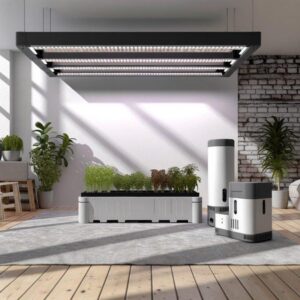
What if your indoor smart garden is failing not because of bad technology, but because healthy plants still demand informed, hands-on care? Automation can simplify growing, but thriving herbs, greens, and flowers still depend on the right balance of light, water, nutrients, and consistent monitoring.
A smart garden is only as effective as the grower behind it. Even with app-based controls and device guidance, understanding plant signals matters more than relying on alerts alone.
This guide focuses on the care practices that keep indoor systems productive, from preventing nutrient buildup to spotting early stress before it cuts growth. If you also use connected platforms for tutorials or troubleshooting, resources like YouTube can help you follow maintenance instructions and visual care routines more efficiently.
Whether you are maintaining a compact countertop unit or a larger indoor setup, small adjustments made at the right time can determine whether your garden merely survives or produces continuously. The difference is rarely the hardware-it is the discipline of care behind it.
Indoor Smart Garden Basics: Light, Water, Nutrients, and Why Consistent Care Matters
Why do smart gardens fail even when the app says everything is fine? Usually because plants respond to patterns, not isolated inputs. Light drives uptake, water carries oxygen and nutrients, and when one slips-even briefly-the others stop working cleanly.
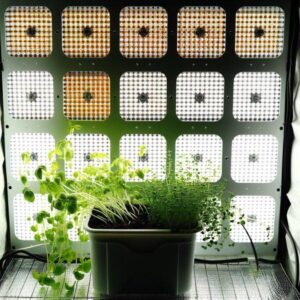
Start by treating light as the engine, not a background setting. Leafy greens usually tolerate moderate intensity, but fruiting herbs and compact tomatoes need longer, steadier exposure to avoid weak stems and stalled flowering; in practice, I check canopy distance weekly and use a simple lux meter app to catch dim spots caused by crowded growth. Short version: if new growth looks pale and stretched, don’t reach for more fertilizer first.
- Water: In hydroponic-style units, low water is obvious, but stale water is the quieter problem. Top off on schedule, then fully refresh the reservoir often enough to prevent nutrient imbalance and biofilm buildup.
- Nutrients: Follow the unit’s dosage guidance closely; concentrated feeds in a small tank turn harsh fast. I’ve seen basil develop crisp edges not from deficiency, but from overfeeding after repeated top-offs.
- Consistency: Use recurring reminders in Google Calendar or the garden’s native app so refills, pruning, and solution changes happen before stress shows on leaves.
One real-life observation: the healthiest indoor gardens are rarely the ones with the fanciest sensors. They’re the ones owned by people who spend thirty seconds looking closely-checking root color, leaf posture, and whether the pump sounds different. It matters.
If your phone shows a missed or expired account prompt while trying to sync a garden app tied to Google, fix that quickly; skipped alerts often lead to skipped maintenance. In indoor systems, small delays compound faster than most growers expect.
How to Maintain an Indoor Smart Garden: Daily Checks, Pruning, Cleaning, and System Monitoring
What should you actually look at each day? Start with plant posture, not the app dashboard. Leaves that angle upward usually signal a stable light-and-water balance, while a sudden sideways droop on one side often points to uneven airflow or a partially blocked emitter before any sensor throws an alert.
- Check the water line, then open the reservoir and smell it; a flat, swampy odor is often the first sign biofilm is building in hidden tubing.
- Scan stems at the crown for crowding and trapped moisture, especially in basil and lettuce where inner growth gets dense fast.
- Review overnight logs in Home Assistant or your garden’s native app for pump run-time changes, not just temperature and humidity numbers.
Pruning in a smart garden is really about preserving system efficiency. Remove leaves that touch the deck, light hood, or sensor housings, because they create wet contact points and false readings; with compact herbs, I usually thin the center first so air can move through the canopy instead of shearing the top.
Small thing.
Cleaning needs a fixed rhythm or it gets skipped. Wipe light bars, camera lenses, and float sensors with a non-abrasive cloth once a week, and rinse harvest tools between plants; I’ve seen one sticky pair of scissors spread mildew from a crowded mint pod to two healthy parsley pods in three days.
Oddly enough, the noisiest gardens are often the healthiest because you notice changes sooner. If a pump sounds sharper than usual or starts cycling more often, don’t wait-check for root mass clogging the intake basket, mineral crust on fittings, or an update that reset irrigation timing. Honestly, this is where most indoor setups quietly drift out of spec.
Common Indoor Smart Garden Mistakes to Avoid for Healthier Growth and Higher Yields
What trips up smart garden owners most often? Trusting automation so completely that they stop reading the plants. A hydroponic basil unit can report normal water levels and still develop pale, slow growth because the nutrient concentration drifted after repeated top-offs; I’ve seen this happen in countertop systems where users never check EC with a Bluelab meter.
- Letting fast growers crowd slower crops. Dense canopies trap humidity around leaves, and that stagnant pocket is where mildew usually starts first, not because the whole room is damp but because airflow never reaches the center.
- Using the default light height for every stage. Seedlings stretch under a fixture set for mature lettuce, while fruiting herbs can stall if the panel remains too close and leaf surfaces stay warm for hours.
- Ignoring pH drift after reservoir changes. Fresh nutrient solution may start in range, then move out within a day if your water is alkaline; the roots feel that before the app does.
Small mistake. Big slowdown.
One quick real-world observation: kitchens cause more problems than grow rooms. Steam, grease film, and uneven nighttime temperatures interfere with sensors and reduce light penetration, so wipe lenses and probe surfaces weekly, not just the tank. Sounds fussy, I know, but dirty sensors create false confidence.
Another common miss is harvesting too timidly. If you only snip outer leaves once they look oversized, herbs become woody and shade their own new growth; regular strategic cuts keep the plant in productive mode. Watch the plant’s structure, not just the calendar, because smart gardens fail quietly before they fail visibly.
Summary of Recommendations
Conclusion: A thriving indoor smart garden depends less on constant intervention and more on consistent, well-timed adjustments. Use your system’s data to spot patterns early, fine-tune light, water, and nutrients gradually, and avoid overcorrecting small changes. The best results come from choosing routines you can realistically maintain and technology that matches your space, plant goals, and experience level. If a feature does not improve plant health or simplify care, it may not be worth the added complexity. In the long run, smart gardening succeeds when automation supports informed decisions rather than replacing them.

Dr. Silas Sterling is a researcher and designer dedicated to the concept of Biophilic Design. Holding a doctorate in Architectural Technology, he explores how smart gardens improve mental well-being. Through Ekolye, Dr. Sterling curates innovative solutions that bring the harmony of nature into the modern digital home.